Why International Buyers Choose the Dominican Republic
A record tourism year, sweeping Caribbean tax incentives, equal ownership rights for foreigners, and a USD-denominated market — the full case, with sources.
A Market Built on Verified Fundamentals
Every figure on this page is sourced — from the Dominican Ministry of Tourism, Banco Central RD, ProDominicana, or Global Property Guide.
The Numbers, Charted
Two ways to see the market at a glance — published rental yields by destination, and where entry-level pricing sits across the DR's featured communities.
Gross Rental Yields by Destination
Source: Global Property Guide, 2025. Santo Domingo range shown as 7.3–7.9%; chart displays the conservative (lower-bound) figure. Net yields after management, maintenance, and taxes typically run 2–3 points lower.
Entry-Level Pricing by Destination (USD)
Starting prices for the most accessible property type in each destination, as published on the site's destination pages. Not average or median sale price.
Why International Buyers Are Choosing the Dominican Republic
A Caribbean Market Still Early in Its Cycle
Unlike more mature Caribbean and Central American markets, the Dominican Republic's luxury real estate sector is still in a growth phase rather than a plateau. Tourism has grown for consecutive years, foreign direct investment has set consecutive annual records, and the government has spent two decades building tax infrastructure — CONFOTUR chief among it — specifically to keep that growth going. Buyers today are entering destinations like Cap Cana and Casa de Campo at a comparable stage to where markets like Cabo San Lucas or the Turks & Caicos were roughly a decade ago.
Political and Currency Stability
The Dominican peso has remained comparatively stable against the US dollar, and luxury transactions are conducted almost entirely in USD, insulating buyers from local currency risk. The country has held consistent democratic elections for decades, and its economy has been one of the fastest-growing in Latin America over the past ten years, according to World Bank data — a track record that matters when committing capital abroad.
Direct Access From Major Markets
Punta Cana International Airport alone connects to well over 100 direct routes across North America, Europe, and Latin America — more direct international connectivity than most competing Caribbean destinations. For an owner splitting time between a home market and a second home, that flight access is often as important as the property itself.
A Genuine Range of Entry Points
Few markets let an investor choose between a $295,000 pre-construction condo in Cap Cana and a $35M oceanfront estate in Casa de Campo within the same country, often within an hour's drive of each other. That range means the DR can work as a first international purchase or a tenth.
Why Now, Why the DR
Foreign nationals own under the same laws as Dominican citizens (Law 16-95 on Foreign Investment) — 100% ownership, no restrictions, no residency required.
Luxury properties are priced and transacted in US dollars with no restrictions on repatriation of capital or rental income.
Apartment prices rose 10.7% year-over-year as of May 2025 (Global Property Guide) — among the strongest appreciation rates in the region.
Why People Buy in the Dominican Republic
Two hours from Miami, four from New York. Championship golf, deep-water marinas and Caribbean coastline — inside gated, professionally managed communities.
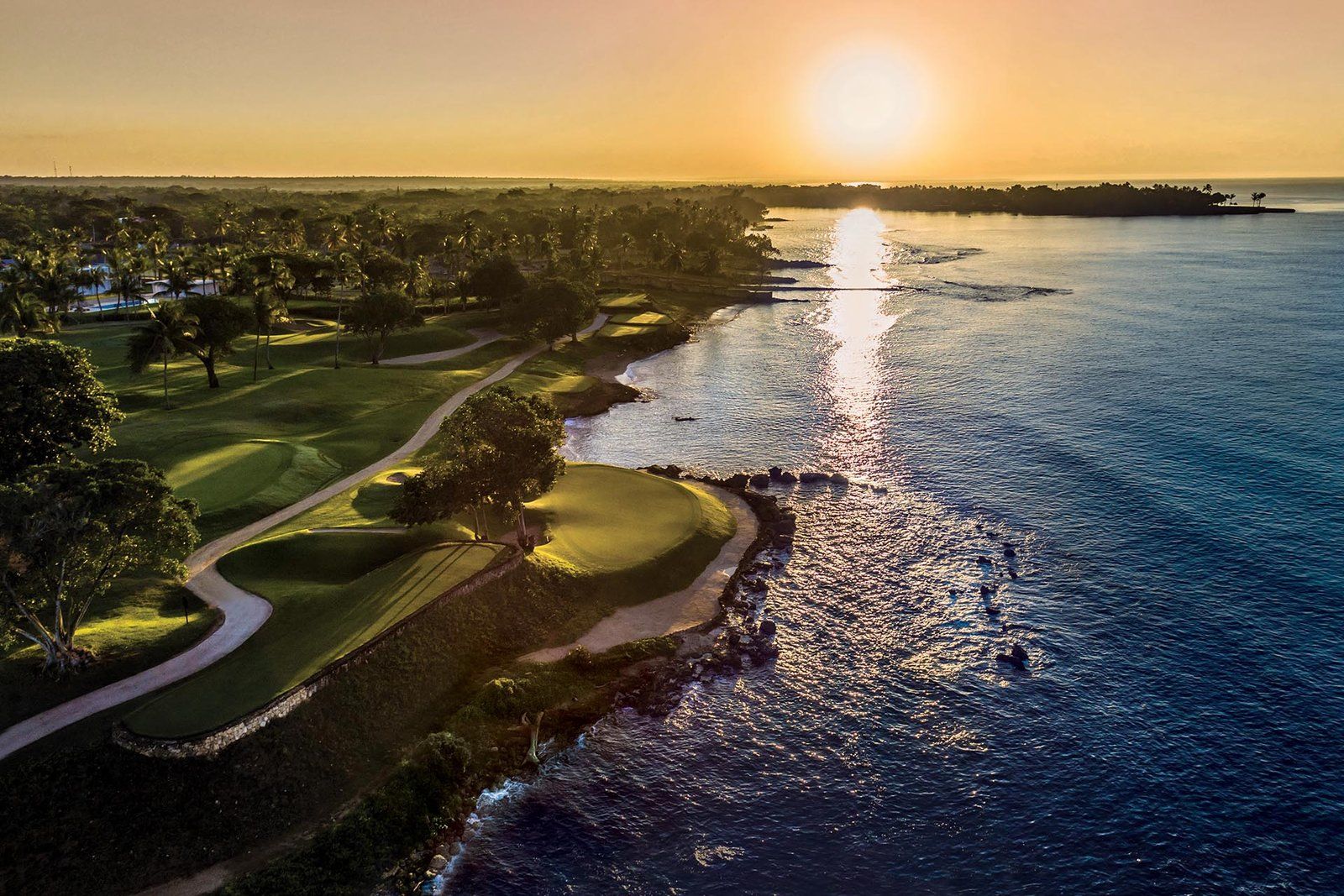 Casa de Campo · Teeth of the Dog
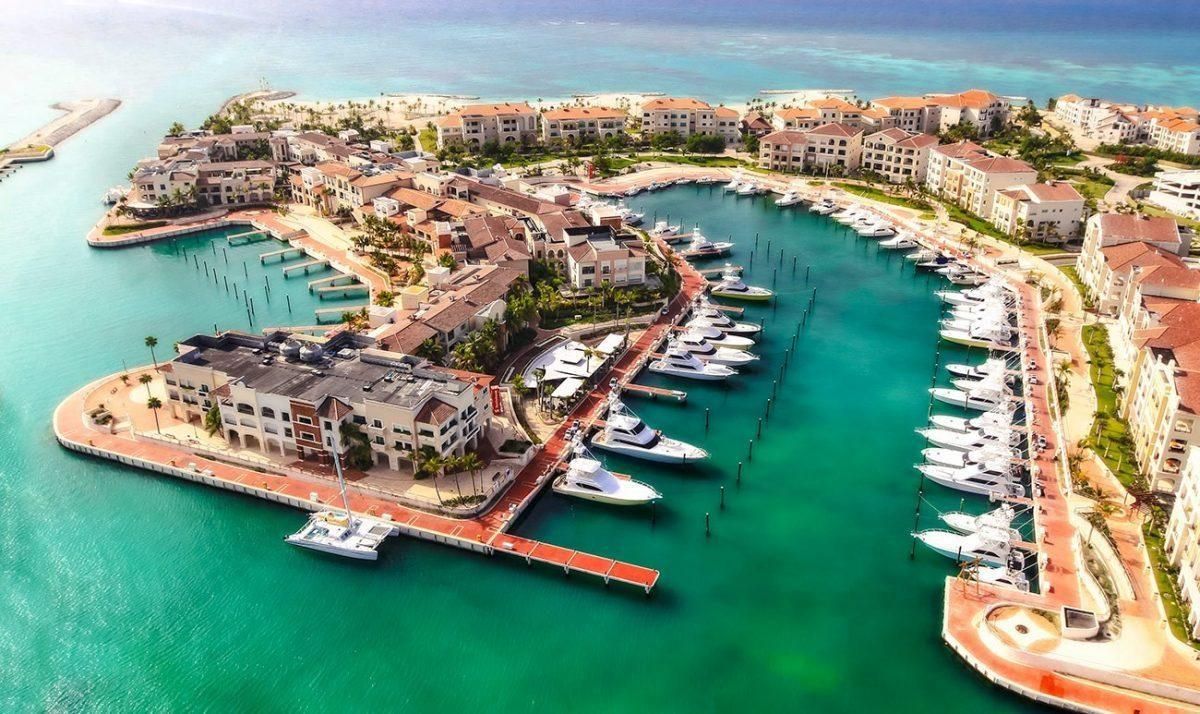 Cap Cana · Marina
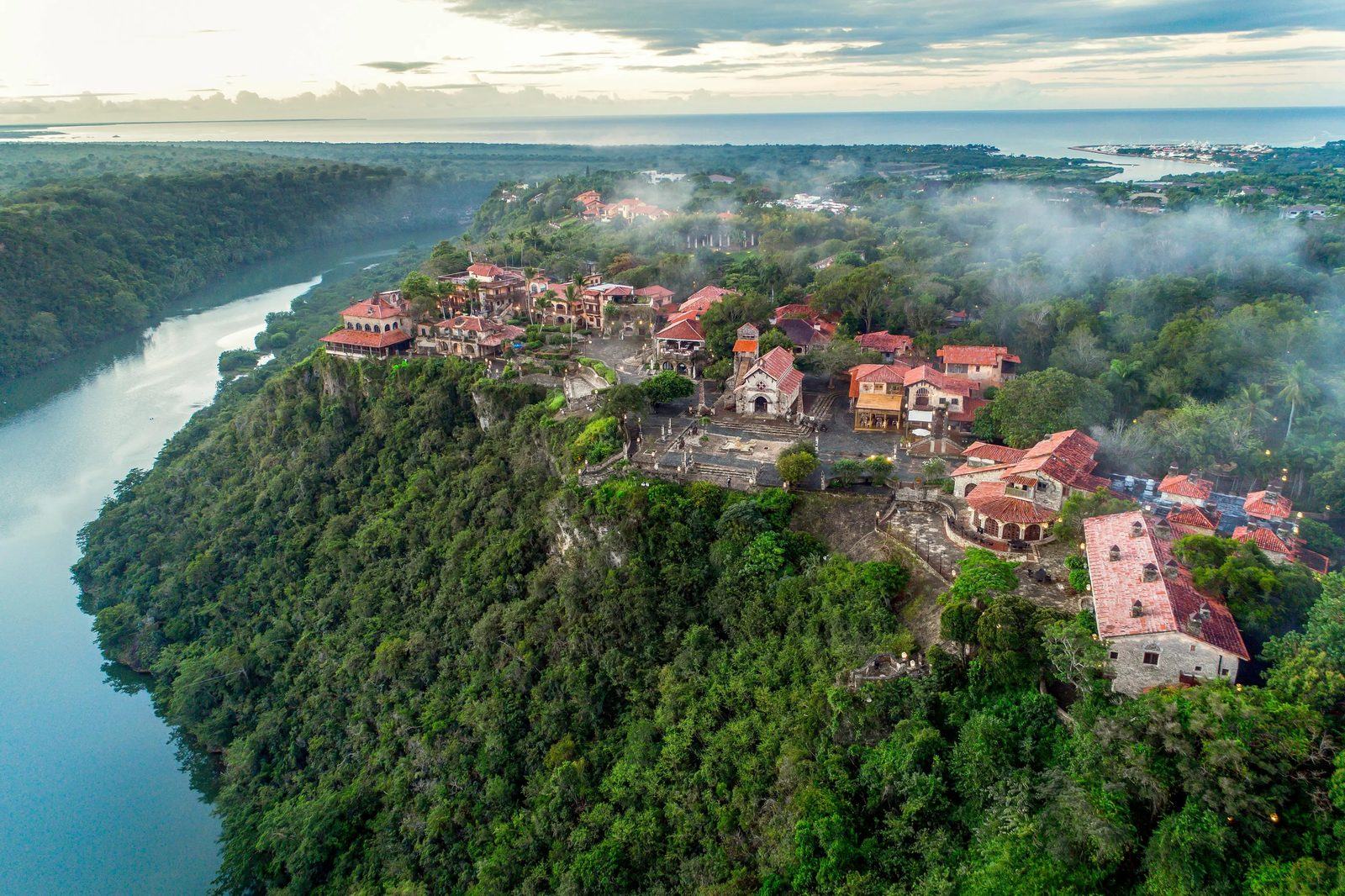 Casa de Campo · Altos de Chavón
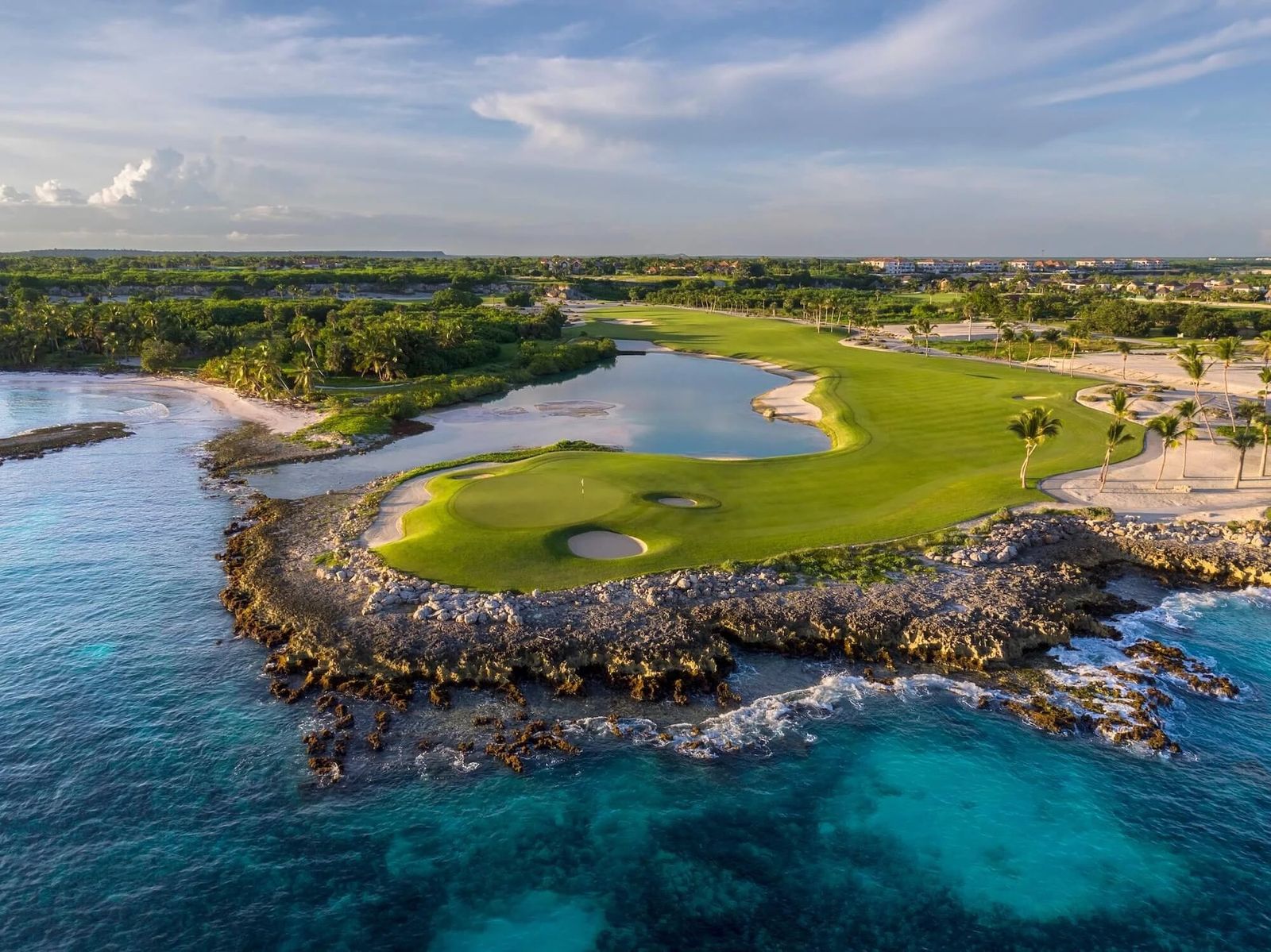 Cap Cana · Punta Espada
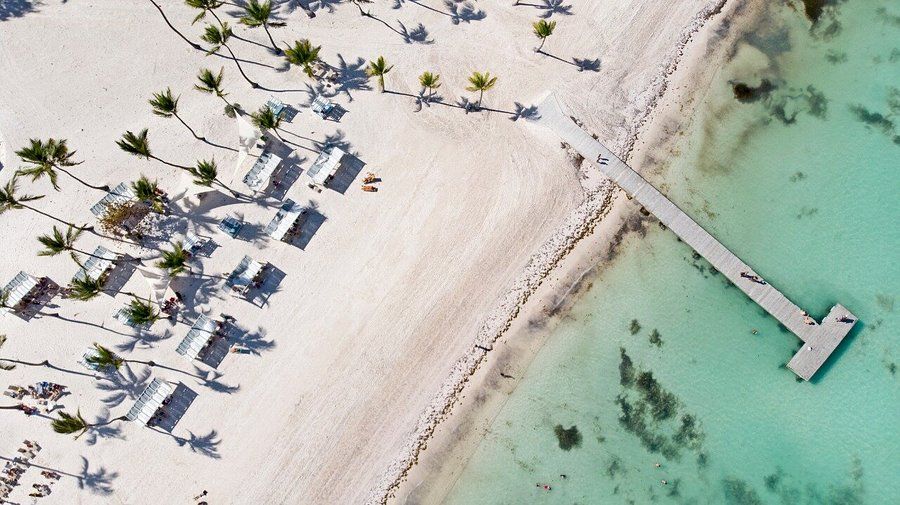 Cap Cana · Juanillo Beach
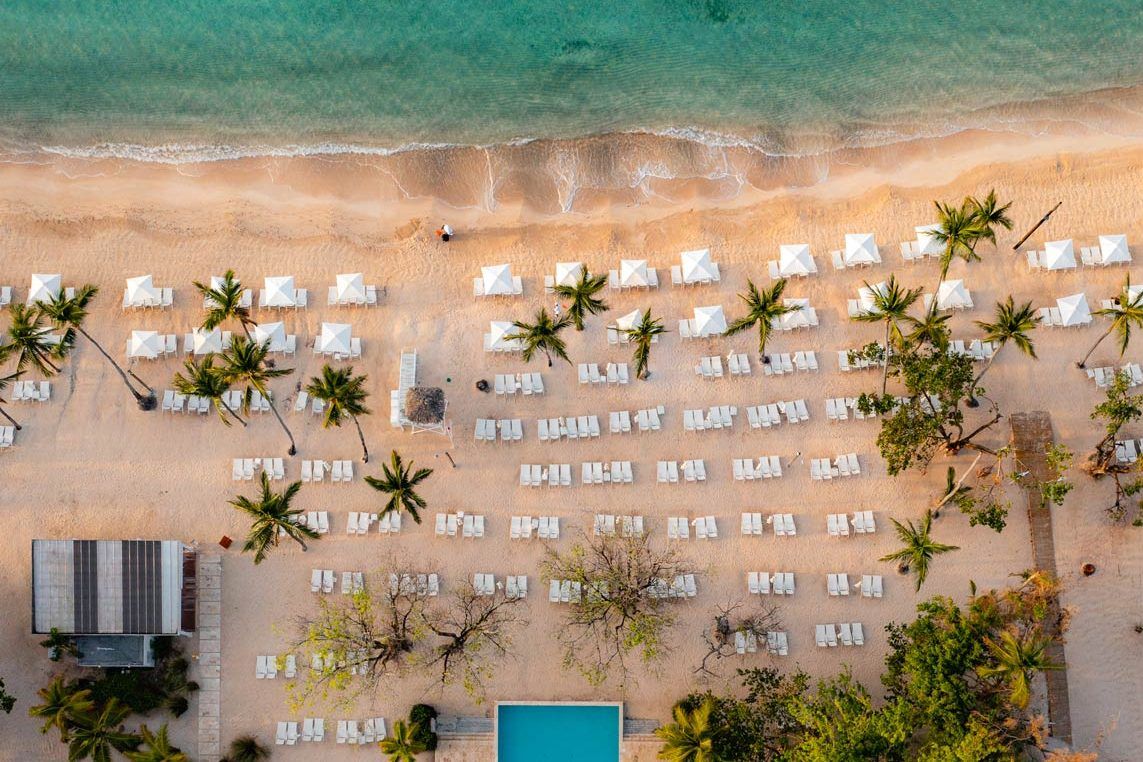 Casa de Campo · Minitas
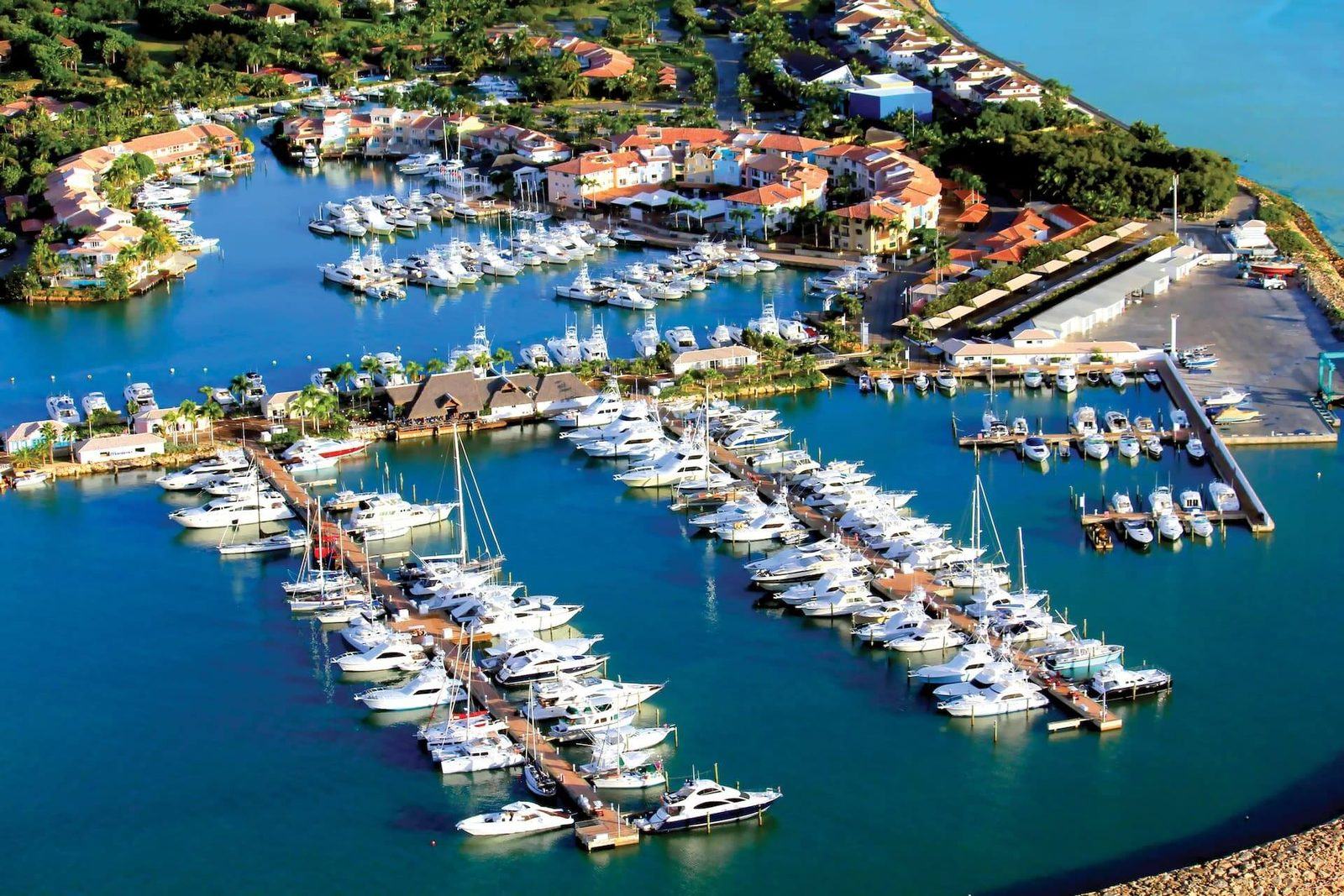 Casa de Campo · Marina
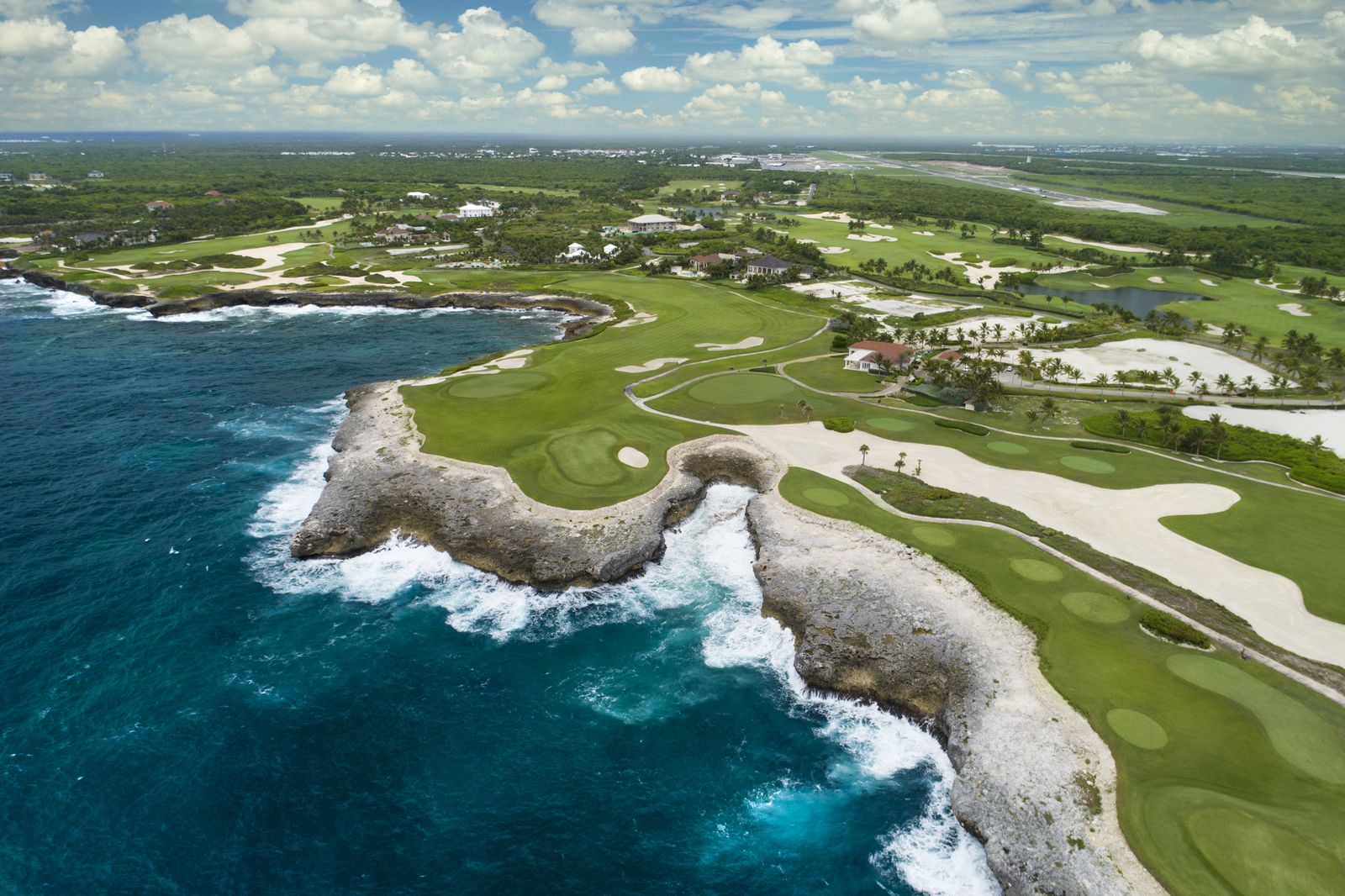 Punta Cana Resort · Corales
Eleven Destinations, One Island
Our coverage runs the southern and eastern coast — from Santo Domingo through La Romana and Bayahibe to Punta Cana and Cap Cana, plus Samáná in the northeast.
 Santo Domingo
Playa Nueva Romana
Casa de Campo
Bayahibe · Dominicus
Punta Cana · Cap Cana
Samaná
Santo Domingo
Playa Nueva Romana
Casa de Campo
Bayahibe · Dominicus
Punta Cana · Cap Cana
Samaná
Eleven destinations across the south and east coastHover to explore
CONFOTUR, Fully Explained
CONFOTUR — short for Consejo de Fomento Turístico (Tourism Promotion Council) — is the government body that administers the Dominican Republic's flagship tourism investment law. When a property is described as "CONFOTUR-approved," it means the Council has certified the development as a qualifying tourism project, unlocking the tax exemptions below for its buyers. The law was enacted in 2001 and its key exemption period was extended from 10 to 15 years by a 2013 amendment (Law 195-13). For international buyers, CONFOTUR law investments are the most tax-efficient route into the Dominican market.
Without CONFOTUR
With CONFOTUR
The standard 3% real estate transfer tax, normally due at closing on every title transfer, is fully eliminated on qualifying CONFOTUR-certified properties.
The annual 1% property tax (IPI) is waived for up to 15 years from project approval — extended from the original 10-year term by the 2013 amendment.
Rental income generated by qualifying CONFOTUR properties may be exempt from income tax for up to 10 years, depending on project classification.
Developers of CONFOTUR-approved projects are exempt from import duties on construction materials, machinery, and first-equipment furnishings — savings that are frequently passed through to buyers via furniture packages.
CONFOTUR benefits are written for first acquirers — they don't automatically travel with the property. The DGII lists the IPI exemption as applying to Law 158-01 properties belonging to the first acquirers. Resale carry-over is widely marketed but isn't what the exemption says. Confirm any resale's status with a licensed Dominican attorney.
Punta Cana has the highest concentration of CONFOTUR-approved developments nationwide, though qualifying projects also exist in Casa de Campo, Playa Nueva Romana, Samaná, and Santo Domingo.
The Foreign Buyer's Complete Guide
From first inquiry to registered title — a clear, proven 8-step path designed for international buyers purchasing in the Dominican Republic.
Define goals, budget, timeline, and preferred destinations with Oscar.
Curated viewings across your shortlisted communities. In-person or virtual.
A formal offer is submitted and a promise-to-sell contract negotiated with the seller.
Confirm the property's CONFOTUR status with the Ministry of Tourism, if applicable.
Title search at the Registry of Titles, encumbrance check, and contract review by a licensed Dominican attorney.
Arrange bank financing or developer in-house payment plans, if the purchase isn't all-cash.
Funds transfer and registered title transfer at the Registry of Titles — typically 60–90 days from contract.
Property management, rental program enrollment, and residency-by-investment filing, if desired.
A Path to Dominican Residency
A minimum US$200,000 investment in Dominican real estate qualifies for permanent Residencia por Inversión under Law 171-07 — one of the more accessible residency-by-investment programs in the Caribbean.
Purchase qualifying real estate valued at US$200,000 or more.
File for permanent residency with supporting documentation, coordinated through Oscar's vetted immigration attorneys.
Residency is renewable every 4 years, with no requirement to reside in the DR full-time.
Dominican citizenship becomes available after 2 years of legal residency.
Trusted Legal Advisors
Oscar works exclusively with the Dominican Republic's most respected real estate law firms — vetted for expertise in CONFOTUR transactions, foreign buyer closings, and title law.
Frequently Asked Questions
Yes. Dominican law grants foreign nationals identical ownership rights as local citizens — no restrictions on 100% foreign ownership, no minimum investment, no limits on the number of properties owned. Source: Dominican Civil Code, confirmed by Ley 5038 sobre Condominios.
CONFOTUR (Law 158-01 of 2001, as amended by Law 195-13 in 2013) grants qualifying tourist-zone properties exemptions from: the 3% real estate transfer tax, annual property tax (IPI) for up to 15 years (extended from the original 10-year term by the 2013 amendment), and import duties on construction materials. Rental income tax exemption of up to 10 years may also apply depending on project classification. Exemptions are tied to the CONFOTUR-approved project and generally do not automatically transfer on resale — always verify a specific property's status with the Ministry of Tourism.
All luxury real estate in the DR is priced, transacted, and repatriated in US dollars. Capital and rental income may be freely repatriated in USD with no government approvals required — a significant advantage over many competing Caribbean markets.
For CONFOTUR-approved properties: approximately 2–3% total (legal fees 1–2%, notary fees, title registration). For non-CONFOTUR properties: approximately 5–6%, which includes the standard 3% transfer tax. There is no buyer's agent commission — Oscar is compensated by the seller or developer.
Yes. Dominican banks including Banco Popular, Banco BHD, and Scotiabank offer mortgages to qualified foreign nationals, typically requiring 30–40% down payment at 8–12% annual interest in USD. Many developers offer in-house financing at 20–30% down over 2–5 years at competitive rates.
According to Global Property Guide (2025), Punta Cana 1-bedroom units average 8.2% gross yield. Cap Cana resort units can achieve 8.8%+ gross. Santo Domingo averages 7.3–7.9% gross. Net yields after property management, maintenance, and taxes typically range 5–7%. Yields vary significantly by property, location, and management quality.
From signed promise-to-sell contract to registered title: 60–90 days for resale transactions is typical. Legal due diligence takes 2–3 weeks. Title registration at the Registry of Titles takes 30–60 days from closing. Pre-construction deliveries depend on project timelines.
Yes. A minimum US$200,000 investment in Dominican real estate qualifies for permanent Residencia por Inversión under Law 171-07. The residency is renewable every 4 years and provides a clear path to citizenship after 2 years. Oscar refers qualified Dominican immigration attorneys at no charge.
Properties under CONFOTUR are exempt from IPI (Impuesto al Patrimonio Inmobiliario) for up to 15 years. Non-CONFOTUR residential properties valued above RD$10 million (approximately US$170,000) are subject to a 1% annual IPI tax on the excess value above the threshold. The first ~US$170,000 of assessed value is exempt. Source: DGII (Dominican Tax Authority), 2025 thresholds.
Essential steps include: (1) Title search at the Registry of Titles to confirm clean title, (2) CONFOTUR status verification with the Ministry of Tourism, (3) Review of the promise-to-sell contract by a licensed Dominican attorney, (4) Confirmation of HOA fees, operating costs, and any encumbrances, (5) Physical inspection or developer track record review for pre-construction. Oscar coordinates all of this through his trusted legal partners.
Ready to Explore Dominican Republic Real Estate?
Contact Oscar Lauzardo for personalized guidance and exclusive opportunities not publicly available.