Living in Cap Cana
What daily life inside Cap Cana involves for an owner or a resident: access, security, power and water, schooling, health care, getting around and the services owners deal with.
A Destination
Run as One
Living in Cap Cana means living inside a private destination whose roads, security and many of whose utilities are run by its own organisations, not by a town council.
APROCAP, a non-profit association that Cap Cana designates to administer and operate the destination, looks after the common areas, the roads, access control and round-the-clock security, medical and fire services. Cap Cana's own companies supply electricity and manage water, and a fibre-optic network runs underground. Each development then adds its own building, amenities and rules.
For owners, that means two layers of arrangements to understand: the destination's and the development's. This page covers the first and the everyday questions that come with it. The areas themselves are compared in our guide to Cap Cana's neighborhoods, and the costs in Cap Cana ownership costs.
- 10
- Minutes from Punta Cana International Airport · Cap Cana
- 60%
- Of the destination kept as protected green space · Cap Cana
- 150+
- km of underground fibre-optic network · Cap Cana, 2026
- 24/7
- Security, medical and fire services · APROCAP
Day to Day, in Practice
Cap Cana puts Punta Cana International Airport about ten minutes away, which makes short stays practical. Entry to the destination is controlled, so register household staff, contractors and regular visitors with the owners' association.
Distances inside Cap Cana are large. Cap Cana mentions bicycles, scooters, golf carts and cars, and APROCAP runs an internal taxi and transport for domestic employees. In practice, plan on a car or a cart.
Cap Cana describes controlled access points, private patrols and a low-density layout. APROCAP provides access control and 24-hour security across the destination; arrangements inside each development vary.
CENETUR, Cap Cana's energy company, generates and distributes electricity, with solar panels covering more than 11% of demand. ACUATUR manages the water cycle and reuses all treated water for irrigation. Services run underground, which Cap Cana says lowers the risk of disruption in severe weather.
Cap Cana Heritage School offers international bilingual education from pre-kindergarten through high school, according to Cap Cana. Families should visit, and confirm curriculum, places and fees directly with the school.
Cap Cana lists a medical center with 24-hour emergency services, and APROCAP includes round-the-clock medical and fire response among its services. For specialist care, plan which hospital you would use outside the destination.
Beach, Golf and Open Space
The destination's leisure is covered in the Cap Cana overview. What matters to a resident is how each one is used day to day.
Beaches
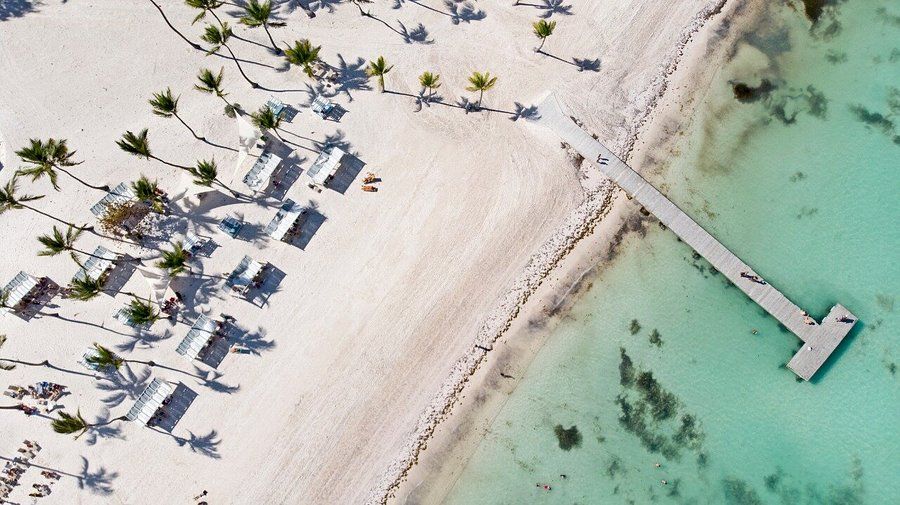
Juanillo and Api are the beaches Cap Cana leads with, and it names Macao as a public beach along its coast. How a residence reaches the sand, and whether a beach club is included, depends on the development.
Golf and the marina
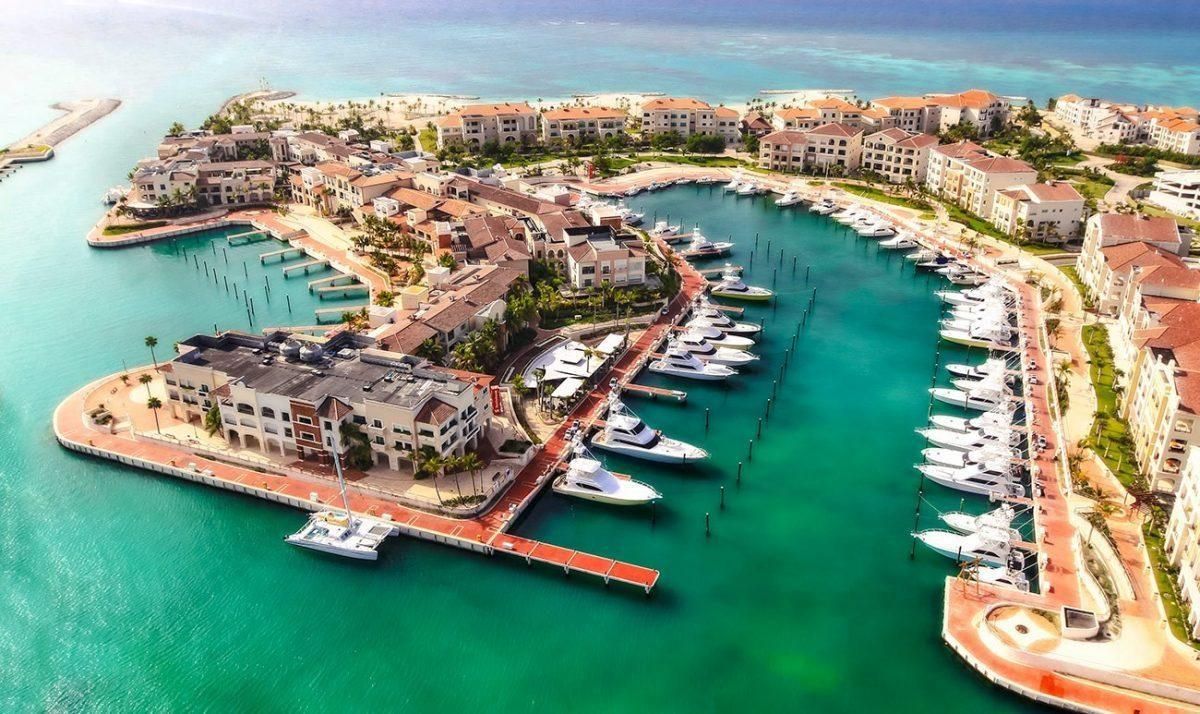
Punta Espada is the established Jack Nicklaus course; Las Iguanas has opened its first nine holes to members only. Membership and berths are contracted with the club and the marina, not with the home.
Sport and outdoors
Racquet Village, the Los Establos equestrian venue and the Scape Park attraction add year-round activity, and Cap Cana says 60% of the destination is kept as protected green space. Confirm access and fees with each venue.
Year-Round or a Few Weeks a Year
Living here full-time
Schooling, health care and the weekly errands come first. Cap Cana counts schools, supermarkets and a health center among its basic services; check the school's places and the commute from the area you are considering before you choose a building.
Household staff will need access IDs, requested through APROCAP, and transport if they do not drive.
A second home
Lock-and-leave matters more: who checks the home while you are away, how the bills are paid and who lets in contractors. APROCAP offers an online bill-payment portal; ask whether the development offers on-site management.
If you plan to let the home, read the development's rental rules and any operator agreement first. They decide when you can use it yourself.
Settling In: A First-Month List
Set up the owner's account, confirm what the residential maintenance fee covers for your zone, and enrol in the bill-payment portal.
Confirm with the seller or developer how the electricity, water and telecoms accounts pass to you, and read the final meter readings.
Request IDs for domestic employees, register pets with APROCAP and give the development's office the names of anyone who will use the home.
Pool, beach-club and gym hours, renovation rules, guest registration and, for a villa, residential garbage collection, which APROCAP provides.
Insurance in your name from the day of transfer, and a property manager or caretaker if you will be away.
Frequently Asked Questions
Yes. Cap Cana counts electricity, water, telephone and cable, supermarkets, a health center, private security, a fire station and schools among its basic services, and Cap Cana Heritage School teaches from pre-kindergarten through high school. Whether it suits a family depends on the school, the commute and the building you choose.
Cap Cana's own companies. CENETUR generates and distributes electricity, with solar panels covering more than 11% of demand, and ACUATUR manages the water cycle. Ask for twelve months of bills for the specific home to see what it costs to run.
Cap Cana describes controlled access points, private patrols and a low-density layout, and APROCAP provides access control and 24-hour security. Arrangements inside each development differ, so ask what the building adds and how visitors and staff are registered.
In practice, yes, or a golf cart: the beach, the golf and the marina are far apart. Cap Cana also mentions bicycles and scooters, and APROCAP runs an internal taxi and transport for domestic employees.
Sources & methodology
Facts about services, infrastructure and security are Cap Cana's and APROCAP's descriptions of their own operations. We have not audited them; visit, and confirm what matters to you directly with the provider. Practical steps are described as practice.
First-party (Cap Cana and APROCAP)
- About ten minutes from Punta Cana International; Macao described as a public beach — Cap Cana (updated 28 Sep 2026)
- Heritage School (pre-K to high school), medical center (24/7 emergencies), security, 60% green space — Cap Cana — Live here (updated 16 Jun 2026)
- CENETUR, solar share above 11%, ACUATUR and water reuse, 150+ km of fibre, underground services — Cap Cana — Sustainable development (18 Aug 2026)
- Basic services; bicycles, scooters, golf carts and cars; Scape Park — Cap Cana — 10 things to know before moving to Cap Cana (undated)
- APROCAP's role; access control, security, medical and fire services; internal taxi and employee transport; pet registration, employee IDs, bill-payment portal, villa garbage collection — APROCAP — Cap Cana Owners (accessed 4 Oct 2026)
- Las Iguanas: first nine holes open to members only — Cap Cana — Golf (updated 28 Sep 2026)
Services, providers and opening arrangements change; figures are as published on the dates shown. Published and reviewed: 4 October 2026.
More on Cap Cana
Plan Around Your Routine
Tell me whether you will live here year-round or a few weeks a year, and I can suggest the areas and buildings that fit.