Buying Property in Cap Cana
How a purchase in Cap Cana runs, what the destination adds to the usual Dominican checks, and which documents to have in hand before you commit.
Choose the Development Before the View
A purchase in Cap Cana follows the same Dominican sequence as anywhere else in the country: a promise of sale, due diligence by your own lawyer, the transfer tax and registration of the title. What changes is the layer above it. Cap Cana is a single private destination, and each development inside it sets its own terms for amenities, beach access, fees, rentals and tax treatment.
That is why two apartments at similar prices can cost very differently to own, to rent and later to sell. The steps below are the ones we follow for a Cap Cana purchase, and the points where the destination asks for an extra question.
The national framework — who can buy, how title is held, financing and taxes — is in our Buyer's & Investor's Guide. The homes currently available are on the Cap Cana properties page.
From Shortlist to Registered Title
Full-time residence, a few weeks a year, or a unit that earns rental income while you are away. The answer decides the setting, the type of building and which development rules matter most.
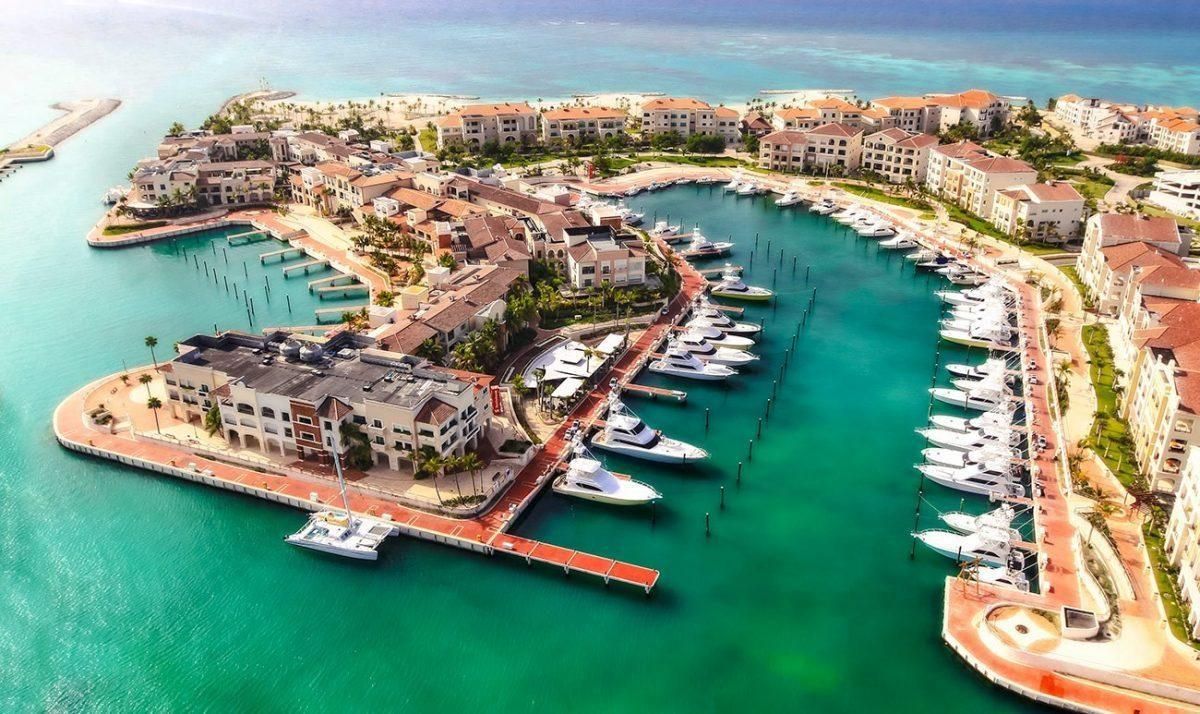
The marina, the golf courses, the Juanillo beachfront and the lakes each give a different daily life, and distances inside Cap Cana are large enough that most owners drive between them. Our guide to Cap Cana's neighborhoods sets the named areas side by side.
A completed villa or apartment can be inspected; a unit bought before completion is a contract and a developer's promise. The review is different in each case, and we explain the second in evaluating Cap Cana new developments.
The condominium regulations, the current budget and fees, the residential charges billed through APROCAP, the rental rules and any hotel-brand or operator agreement. They change the true cost of the home more than a small difference in price, as our Cap Cana ownership-cost guide shows.
The promise of sale fixes the price, the deposit, the conditions and the deadlines, and should say how the parties share the closing expenses. The buyer or acquirer normally pays the 3% transfer tax unless a valid exemption applies; the other one-off costs are in our guide to Dominican Republic closing costs.
Your own Dominican lawyer confirms the title and any liens through a certification from the Registro de Títulos, checks that an apartment belongs to a registered condominium regime, reviews permits for anything new-built and, where CONFOTUR is claimed, reads the resolution for that specific project.
The deed is signed, the transfer tax is paid to DGII and the sale is filed with the Registro de Títulos, which asks for a current certification of the property tax (IPI) before it records the transfer.
Open the owner's account with APROCAP, whose services include access control, pet registration and ID requests for household employees, and confirm how the electricity and water accounts transfer to you. If the home is to be let, settle the management arrangement before the first guest arrives.
Timing: a resale moves at the pace of due diligence and financing; a pre-construction purchase moves at the pace of the developer's schedule. Build the second into your plans rather than assuming a delivery date.
Four Questions Specific to Cap Cana
Whose rules apply?
Amenities, beach access, pets, works and rentals are set by each development's regulations. No beach should be assumed private; how a residence reaches the sand, and on what terms, is part of what you are buying.
What does APROCAP manage?
APROCAP, the non-profit owners' association Cap Cana designates to administer and operate the destination, runs maintenance, access control and round-the-clock security, medical and fire services. Its residential maintenance fee varies by residential zone, so ask for the property's statement.
Does this project hold CONFOTUR?
CONFOTUR is granted project by project. Its benefits follow the specific resolution and its dates, apply to the first acquirer who buys from the developer, and do not pass to a resale buyer. Ask for the resolution itself, not a summary.
Golf, berths and clubs
Punta Espada membership and marina berths are arranged with the club and the marina, apart from the home. Cap Cana's second Jack Nicklaus course, Las Iguanas, has opened its first nine holes to members only, according to Cap Cana. Confirm what, if anything, comes with a property.

More on Cap Cana
Every Cap Cana listing we currently represent, with prices, specifications and links to full details.
After You BuyCap Cana Ownership CostsAPROCAP and condominium charges, utilities, insurance, management and property tax.
DestinationCap Cana Real EstateThe overview: the master plan, the marina, golf and beaches, and the case for buying here.
Frequently Asked Questions
Generally, yes. Ley 16-95 on Foreign Investment gives foreign investors the same rights and obligations as Dominican investors, and you can generally buy and hold title without Dominican residency. The purchase goes through the same title review and registration as any other.
Your own independent Dominican lawyer, not the seller's or the developer's. In Cap Cana that review should cover the development's regulations and, for a unit under construction, the permits, the payment schedule and the delivery terms, as well as the title.
Some projects are and some are not. CONFOTUR is granted project by project, its benefits follow the specific resolution and its dates, and they apply to the first acquirer buying from the developer. A resale buyer does not inherit the seller's exemption.
The main item is the 3% transfer tax, charged on the higher of DGII's assessed value and the price in the deed, unless a valid exemption applies. Add the Registry's charges, notarial fees, your lawyer's fee and any financing costs. Our closing-cost guide sets them out, and your lawyer can give a written estimate for your purchase.
The Asociación de Propietarios de Cap Cana, a non-profit association that Cap Cana designates to administer and operate the destination. It manages general and residential maintenance, access control and 24-hour security, medical and fire services, and its residential maintenance fee varies by residential zone.
Sources & methodology
Legal and tax points are taken from Dominican law and the official agencies that apply it. Statements about how Cap Cana is run come from Cap Cana and from APROCAP, and describe their own services. Practical steps are described as practice, not law.
Law and official agencies
- Equal rights for foreign investors — Ley 16-95 on Foreign Investment
- 3% transfer tax on the higher of DGII's value and the deed price — DGII CA88; who pays: DGII CA90
- Title certification; IPI certification required to register a sale — Registro Inmobiliario — Certificación del estado jurídico; Transferencia por venta
- Registered condominium regime — Registro Inmobiliario — Constitución de régimen de condominio (Ley 5038; Ley 108-05)
- CONFOTUR: project approval, first acquirers, later transfers — Ley 158-01, Art. 4; Ley 195-13, Art. 9
First-party (Cap Cana and APROCAP)
- APROCAP's role, services, pet registration, employee IDs; residential fee varies by zone — APROCAP — Cap Cana Owners (accessed 4 Oct 2026)
- Las Iguanas: second Jack Nicklaus course, first nine holes open to members only — Cap Cana — Golf (updated 28 Sep 2026)
This guide is general information, not legal, tax or financial advice. Obtain advice from an independent Dominican lawyer and from advisers in your home country before you commit. Published and reviewed: 4 October 2026.
Start With a Shortlist
Tell me how you plan to use the home. I can narrow Cap Cana to the developments worth a visit and help request their documents.
I am an official Cap Cana real estate broker working under The Agency, providing buyers and investors with direct, informed guidance throughout the property-selection and acquisition process.