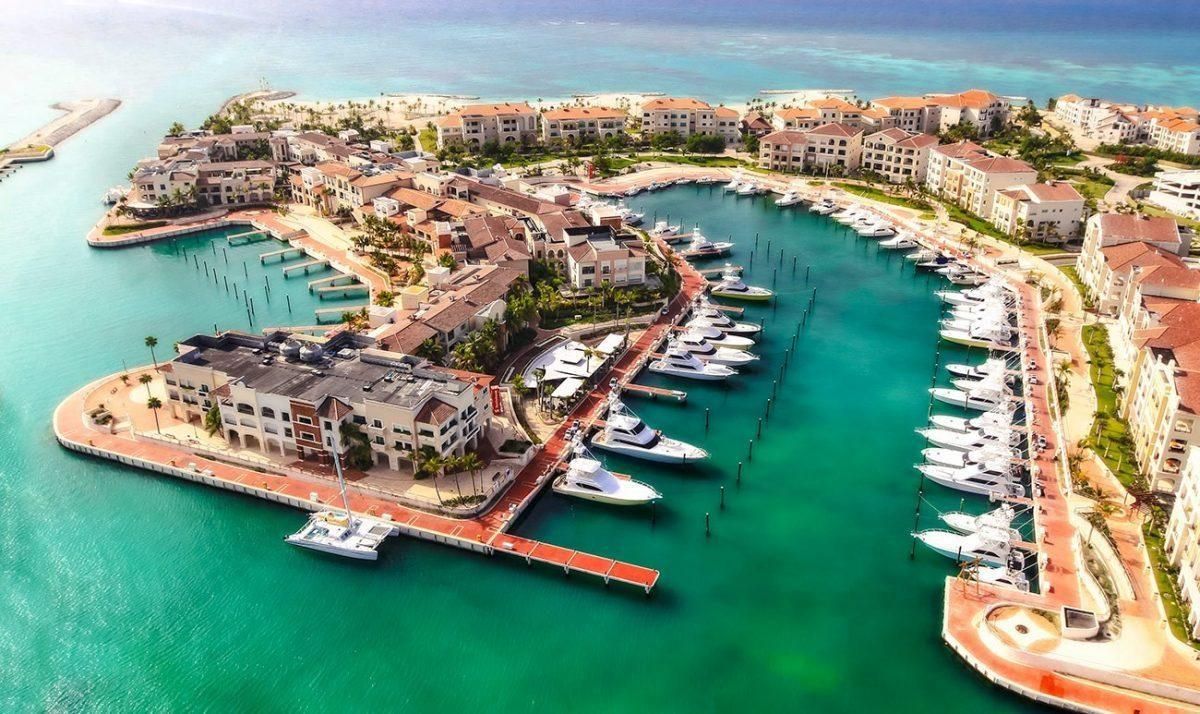
APROCAP runs the destination's shared services and charges owners for them. Its residential maintenance fee varies by residential zone, so the property's own statement is the figure that counts.
- i
What APROCAP looks after
Gardening and irrigation of the common areas, beach cleaning, common-area electricity, roads, fumigation, rubbish collection from the common areas, civil liability insurance, customer service, access control, an internal taxi and transport for domestic employees, and 24-hour security, medical and fire services.
- ii
Residential maintenance
In the residential zones, APROCAP maintains roads and green areas, provides security and access control, and keeps up communications, electrical, water and sanitation networks. It charges a monthly fee that varies by residential zone, and it does not apply one figure across Cap Cana.
- iii
Owner services
Pet registration, ID requests for domestic employees, an online bill-payment portal and, for villas, residential rubbish collection. Ask which, if any, carry a separate charge.
Ask early. Request the property's APROCAP statement before the promise of sale is signed: the current monthly charge, twelve months of history where available, and any balance outstanding.
Most of the Cap Cana homes we currently list are apartments in condominiums, and for them the condominium's own budget is a recurring charge in its own right.
What the law says
Under Ley 5038, each owner contributes to the upkeep, repair and administration of the common parts in proportion to the value of the unit, unless the building's regulations provide otherwise. The regime and its regulations are registered with the Registro de Títulos.
What drives the figure
Staff, security inside the building, pools and gardens, lifts, beach-club or rooftop facilities, insurance of the common parts and any reserve fund. A building with more amenities usually costs more to run, and a new building's first budget is a projection until it has a year of accounts.
Ask for the regulations, the current budget, the fee for the specific unit, the latest accounts, the minutes of recent owners' meetings and any special assessment approved or under discussion.
03
Power, Water and Connectivity
Inside Cap Cana, electricity and water come from the destination's own companies.
Electricity
CENETUR generates and distributes electricity in Cap Cana, with photovoltaic panels covering more than 11% of demand. Ask how the home is metered and billed, and for its recent bills.
Water
ACUATUR manages the full water cycle and reuses all treated water to irrigate golf courses and green areas. Ask how the home's water is metered and billed.
Connectivity
Cap Cana has more than 150 km of fibre-optic network, run underground with its other services. Internet and television are contracted with a provider; confirm what is available in the building.
Read the bills, not an average. Twelve months of electricity and water bills, read against how the home was used in that time, say more than any estimate. In some buildings part of the cost sits in the condominium fee instead.
Sun, salt air and humidity are hard on equipment and finishes. Budget for what wears out, not only for what is billed.
- i
Inside the home
Air-conditioning service, waterproofing, paintwork, appliances and, in a furnished residence, the eventual replacement of furniture and linen. Ask the age of the main equipment.
- ii
A villa
Gardens, the pool, the roof and any generator are the owner's to maintain, and residential rubbish collection is provided by APROCAP.
- iii
The building's reserve
Ask whether the condominium keeps a reserve fund for major works, how much it holds and what works are planned. A thin reserve can mean a special assessment later.
No published rate applies to every home. The premium depends on the property, its construction, its contents and the cover chosen, so it belongs in a written quotation.
- What the building covers: in a condominium, ask what the common policy insures and where your own cover must start.
- Contents and interior, including fixtures and furnishings, with a sum insured based on replacement cost.
- Windstorm and hurricane cover, with its deductible stated in writing, since it can differ from the deductible for other risks.
- Liability, and rental use if the home will be let.
- Lender requirements. A mortgage lender may require life and property insurance; Banco Popular lists both among the forms for signing a mortgage.
Obtain quotations from licensed insurers before the promise of sale becomes unconditional, and ask the seller for the current policy and its claims history.
06
Management, Staff and Renting
Owners who are often away may pay someone to look after the home, and those who let it pay for the letting as well.
- i
Property management
A manager or caretaker checks the home, pays bills, lets in contractors and prepares it for your arrival. Ask for the scope, the fee and the notice period in writing.
- ii
Hotel-brand and operator programs
Some residences come with a brand or operator, such as AC Residences by Marriott and Makai Residences, which its listing describes as managed by Wyndham Hotels. Read the program agreement for its fees, revenue terms, owner-use rules and whether joining is required.
- iii
Household staff
Domestic employees need access IDs, requested through APROCAP. Employers of domestic workers have registration obligations under Dominican labour rules, so take advice on yours.
- iv
Tax on rent
Rental income from Dominican property is taxed in the Dominican Republic. Under Ley 30-26, rent paid to an individual by a withholding agent carries a 15% final withholding. CONFOTUR does not exempt an individual owner's rental income, and your home country may tax it too.
07
Golf, Marina and Clubs
The amenities that draw buyers to Cap Cana are mostly contracted on their own terms, apart from the home.
- i
Golf
Membership of Punta Espada is arranged with the club. Las Iguanas, Cap Cana's second Jack Nicklaus course, has opened its first nine holes to members only. Confirm current terms with the club rather than assume any come with a golf-front home.
- ii
A berth
Berths at Marina Cap Cana are contracted with the marina. Some marina-front residences are described with their own yacht slips; check whether a slip is titled with the unit or held under a separate agreement.
- iii
Beach and residents' clubs
Whether a beach club or similar facility is included in the condominium fee, charged separately or not available at all depends on the development.
08
The Annual Property Tax
IPI, the Impuesto al Patrimonio Inmobiliario, is set by law and administered by DGII, the tax authority. It applies in Cap Cana as anywhere else in the country.
As published by DGII for 2026. Thresholds are adjusted every year.
| Owner | What is taxed |
|---|
| Individual | 1% on the part of the owner's combined Dominican property value above RD$10,695,494 (2026), a threshold adjusted each year for the previous year's inflation |
|---|
| Trust | 1% on the full value of the property |
|---|
| Company | Not IPI: the separate 1% tax on assets, which expressly includes real estate on the balance sheet |
|---|
| CONFOTUR first acquirer | Exempt for the remaining term, where the specific project is approved under Ley 158-01 and the owner bought directly from the developer |
|---|
Ask for the documents first, then confirm in writing the figures that matter for this property.
Documents to request
- The property's APROCAP statement, with twelve months of history where available and any balance outstanding
- The condominium's regulations, current budget, latest accounts and recent meeting minutes
- The fee for the specific unit and any special assessment approved or proposed
- Twelve months of electricity and water bills
- The current insurance policy and its claims history
- A current IPI certification or DGII statement
- Any rental, operator or management agreement, with owner statements if the home is let
- For a new development, the first budget and how fees will be set at delivery
Figures to confirm in writing
- The APROCAP residential fee for the property's zone and what it covers
- The condominium fee, what it includes and how often it has changed
- Recent electricity and water consumption
- An insurance quotation, including the windstorm deductible
- Your IPI position, based on your total Dominican holdings
- Management fees, and program fees and revenue terms if you plan to let
- Golf, marina and beach-club terms, if they matter to you
- Whether the project holds CONFOTUR, from its resolution
I can help request the statements and records available for a specific property, so that you can review them with your own advisers before you commit.